

Unlock the Secrets to Perfectly Feeding Your Newborn: Formula vs. Breastmilk!
Feeding a newborn is one of the most crucial aspects of parenting, yet it often comes with a myriad of questions and concerns. One of the primary worries for new parents is figuring out how much formula or breastmilk to provide to their little one. The differences between breastfeeding and bottle-feeding can further complicate this decision, with each method offering unique benefits and challenges. In this article, we will explore the appropriate feeding amounts for newborns, delving into their nutritional requirements, the advantages of both breastmilk and formula, and the flexibility needed as your baby grows.
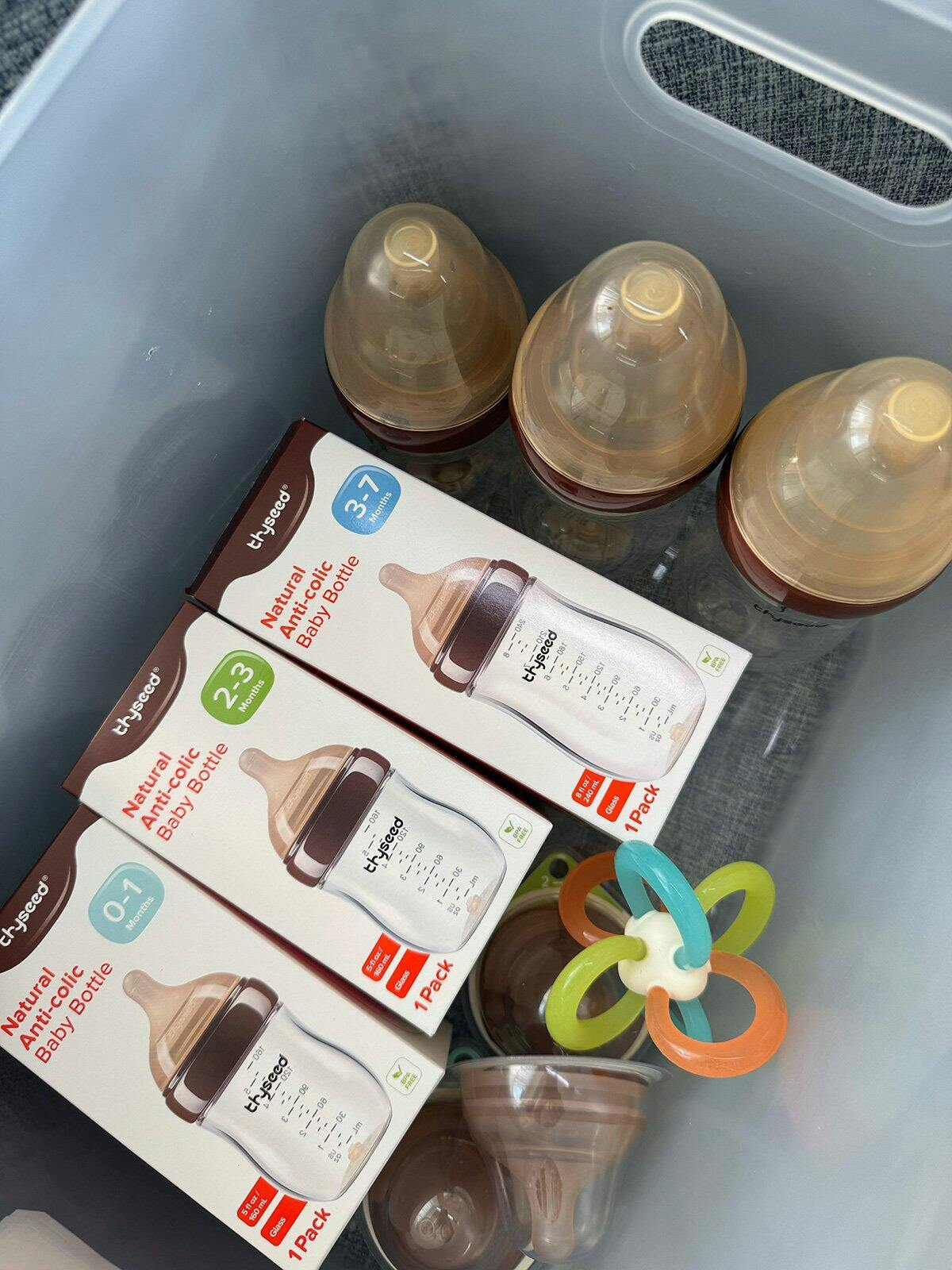
Understanding Newborn Feeding Needs
Newborns have distinct nutritional requirements that are vital for their growth and development. In the first few weeks of life, a baby's stomach is quite small, necessitating frequent feedings to meet their energy needs. Typically, newborns need about 1.5 to 3 ounces of milk per feeding, which may range from 8 to 12 feedings a day. Recognizing hunger cues, such as rooting, sucking on hands, or fussiness, is essential for understanding when your baby needs to eat. Feeding on demand, rather than adhering to a strict schedule, helps ensure that your newborn receives adequate nourishment while fostering a responsive feeding relationship.
Feeding with Breastmilk
Breastfeeding offers numerous benefits, not only nutritionally but also for the bonding experience between mother and baby. Breastmilk is tailored to meet the specific needs of a growing infant, providing essential nutrients, antibodies, and enzymes that support the immune system. Newborns typically consume about 1 to 2 ounces of breastmilk per feeding in the early days, gradually increasing to 3 to 4 ounces by the end of the first month. Many mothers find that breastfeeding on demand allows for a natural adjustment to their baby's feeding patterns, ensuring they receive enough milk while also creating a strong emotional bond.
Feeding with Formula
Formula feeding can be a convenient alternative for parents who may not be able to breastfeed or prefer to bottle-feed. One of the significant advantages of formula is the ability to monitor exactly how much your baby is consuming, which can provide peace of mind for many new parents. Typically, newborns may start with about 2 to 3 ounces of formula per feeding and may gradually increase to 4 ounces as they grow. It's important to follow general recommendations but also to remain attuned to your baby's hunger cues to adjust feeding amounts accordingly.
Comparing Breastmilk and Formula
When comparing breastmilk and formula, both options have unique nutritional components that can affect a baby's health. Breastmilk is rich in antibodies and is easily digestible, while formula is fortified with iron and other nutrients to mimic breastmilk's composition. Typically, breastfed babies may feed more frequently than formula-fed babies due to the quicker digestion of breastmilk. For parents considering mixed feeding, it's crucial to establish a routine that accommodates both methods, ensuring that your newborn receives adequate nourishment from both sources.
Common Concerns and FAQs
Many new parents find themselves grappling with questions about feeding amounts, including concerns about overfeeding or underfeeding their newborn. It's essential to remember that every baby is unique, and their feeding needs may vary based on growth spurts and individual preferences. If you notice signs of hunger or fullness, such as turning away from the bottle or breast or showing signs of contentment, these can guide your feeding decisions. Furthermore, adjusting feeding practices as your newborn grows is a normal part of the journey, providing reassurance that you are meeting their needs.
Feeding Insights for New Parents
In summary, determining how much to bottle feed a newborn involves understanding their unique feeding needs and recognizing the differences between breastmilk and formula. It's vital to pay attention to your baby's cues and be flexible in your approach, as every child is different. As you navigate this rewarding but sometimes challenging journey, don't hesitate to consult with healthcare professionals for personalized advice tailored to your family's situation. Trust your instincts, and remember that the love and care you provide are what truly matter in your newborn's feeding experience.