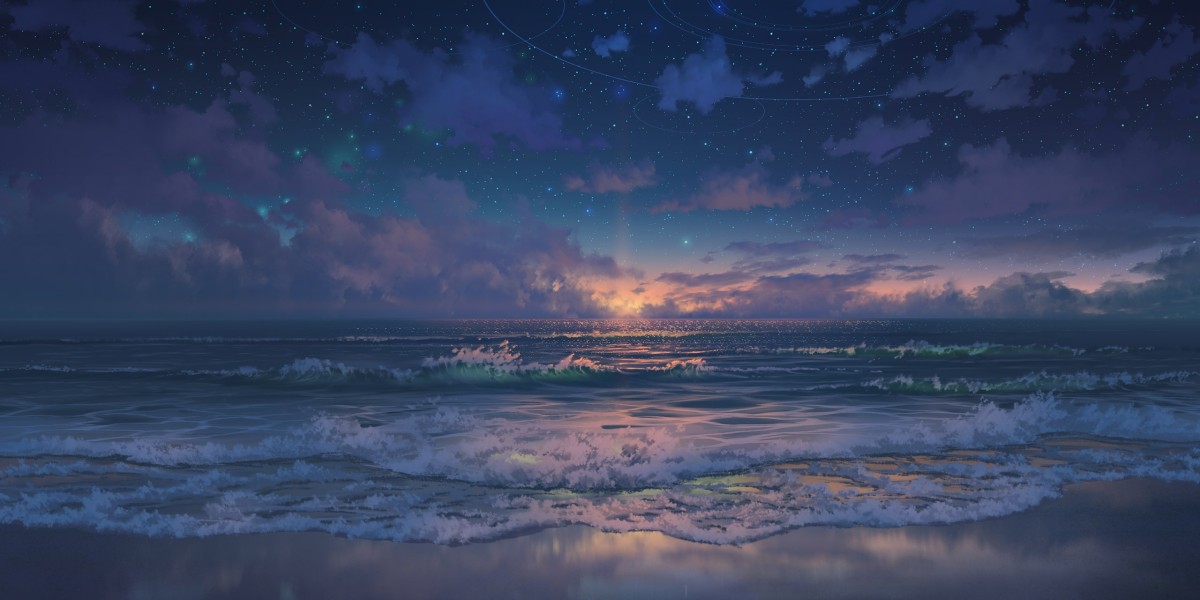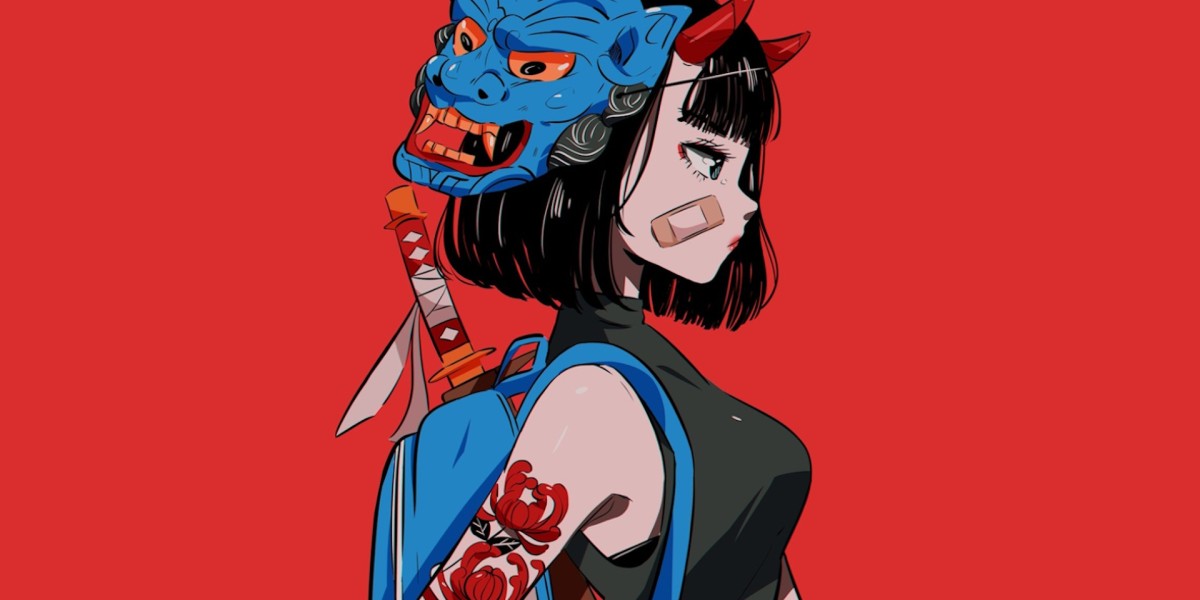
Unlock the Secrets of Breathtaking AI-Generated Artistry!
The world of art is forever changing, and the introduction of AI-generated art is at the forefront of this transformation. In our digital age, the fascination with technology has led to an explosion of creativity, where algorithms and machines can produce stunning images that captivate the human eye. The rise of AI-generated artistry has sparked conversations about its implications for both artists and consumers, pushing the boundaries of what we consider to be art. Friends often share their awe when they stumble upon AI-created images that appear indistinguishable from traditional artwork, igniting a sense of wonder about the capabilities of technology. With each passing day, more people are drawn into this mesmerizing realm, eager to understand the technology that fuels this innovative form of expression.

Understanding AI-Generated Images
AI-generated images are digital artworks created by artificial intelligence systems using complex algorithms and neural networks. At their core, these images are the product of intricate computations that analyze and recreate visual elements based on learned patterns. The central principle behind their creation involves feeding vast amounts of data—such as photographs, paintings, and other visual art forms—into the AI system. By doing so, the AI learns to recognize styles, colors, and compositions, enabling it to generate new images that are often strikingly original yet reminiscent of established artistic styles. This blending of technology and creativity is revolutionizing the art world, allowing even those with minimal artistic training to create visually appealing works.
The Technology Behind AI Art
The technologies that power AI image generation are rooted in machine learning and deep learning, both subfields of artificial intelligence that enable systems to learn from data over time. One of the most prominent techniques used in AI art creation is Generative Adversarial Networks (GANs). A GAN consists of two neural networks: a generator and a discriminator. The generator creates images, while the discriminator evaluates them against real artworks, providing feedback. This process continues iteratively, with the generator improving its output based on the discriminator's assessments until the images produced are indistinguishable from those created by human artists. This sophisticated collaboration between neural networks has opened up new avenues for creativity, allowing for an unprecedented fusion of technology and artistry.
How AI Learns to Create Art
The training process of AI models is both fascinating and complex. Initially, the AI is exposed to a diverse dataset, often comprising thousands or even millions of images across various genres and styles. This dataset serves as the foundation for the AI's learning. Through techniques such as supervised learning, the AI identifies patterns, color palettes, and structural elements in the artworks. Over time, the machine refines its understanding, enabling it to produce unique pieces that exhibit distinct stylistic traits. A friend of mine recently shared their experience using an AI art generator, marveling at how the software could transform a simple sketch into a vibrant masterpiece, mirroring the styles of renowned painters. It’s a testament to the power of AI's ability to absorb and reinterpret existing artistic expressions.
The Impact of AI on the Art World
The influence of AI-generated art on traditional forms is profound, challenging long-held perceptions of creativity and originality. As AI continues to produce increasingly sophisticated artworks, artists find themselves in a dynamic landscape where collaboration with technology is becoming more common. Some artists embrace AI as a tool to enhance their creative processes, while others express concern that it may devalue human creativity. This discourse raises important questions about the role of the artist in a world where machines can replicate and even innovate artistic styles. My circle of artist friends often debates this topic, weighing the potential benefits of AI art against the authenticity of human expression. Ultimately, AI is not just a competitor; it can be a partner in creativity, encouraging new forms of artistic exploration.
Ethical Considerations
As with any emerging technology, the rise of AI-generated art brings with it a host of ethical considerations. Issues surrounding copyright and authorship are at the forefront of discussions in the art community. If an AI creates a piece of art, who holds the rights to that creation? The original artist whose work was used to train the AI? The programmer who developed the algorithm? These questions remain largely unanswered and provoke passionate debate. Additionally, there are concerns about the value of human creativity in an era where machines can produce art that rivals human efforts. Many argue that while AI can mimic styles and generate images, it lacks the emotional depth and intent that a human artist brings to their work. This ongoing dialogue underscores the need for a thoughtful approach to integrating AI into the creative industry.
Art in the Age of AI: A New Frontier
In summary, the exploration of AI-generated art reveals a rich tapestry of innovation and creativity that is reshaping the art world. From understanding the technology behind these captivating images to analyzing their impact on traditional artistry, it's clear that AI is a powerful force in the creative landscape. As we navigate this intersection of technology and art, we are reminded of the profound possibilities that lie ahead. The future of AI-generated art is not just about machines replicating human creativity; it’s about a collaborative journey that could redefine what it means to be an artist. I encourage readers to delve into this fascinating world, explore AI-generated creations, and contemplate the limitless potential of art in the age of technology.