

Unlock the Secret to a Sparkling Kitchen Hood: Transform Grease into Gleam!
A clean kitchen hood is an essential aspect of maintaining a hygienic kitchen environment. Not only does it contribute to the overall aesthetic of your kitchen, but it also plays a crucial role in ensuring that the air you breathe while cooking is free from harmful particles and odors. A greasy kitchen hood can lead to unpleasant cooking experiences and may even affect the taste of your food. When grease builds up, it can become a breeding ground for bacteria, posing health risks to you and your family. Therefore, understanding how to clean greasy kitchen hoods effectively is vital for anyone who loves to cook.
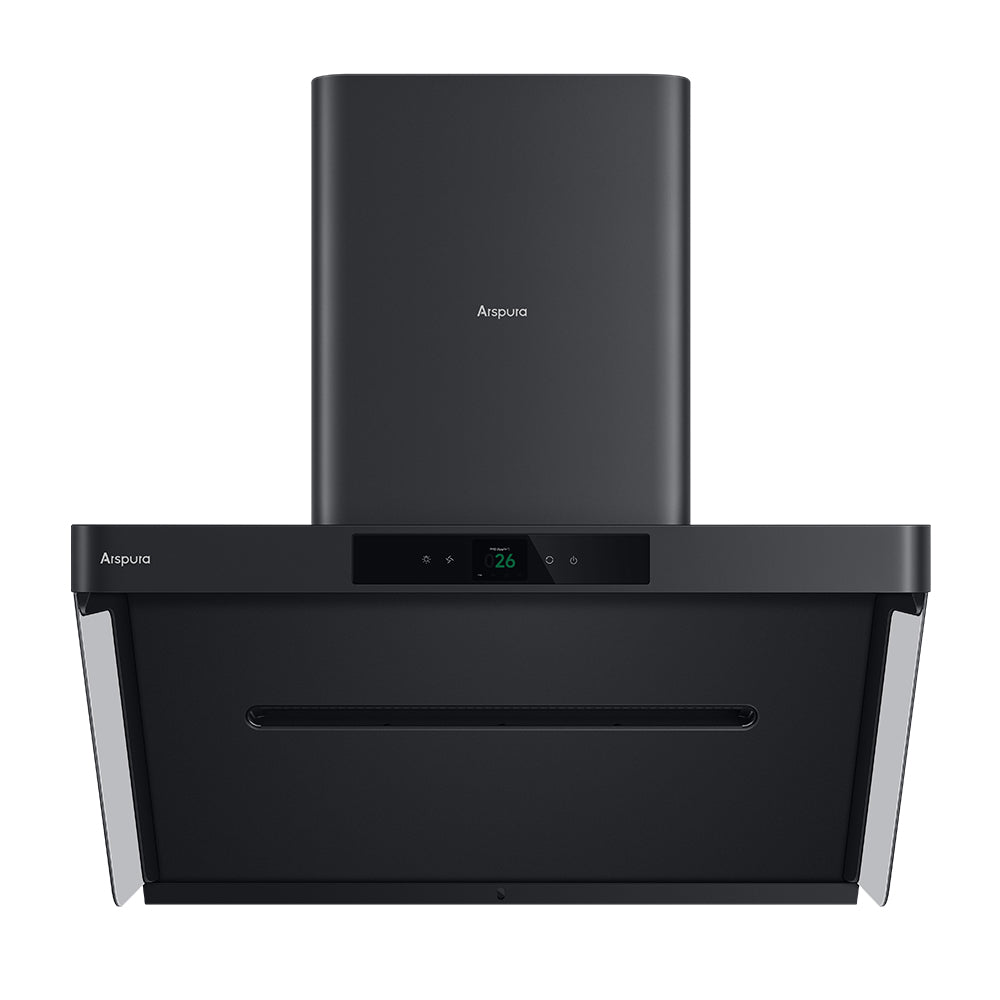
Common issues related to greasy kitchen hoods include diminished air circulation, unpleasant odors, and more frequent smoke alarms. These problems not only disrupt cooking but can also pose safety hazards. To combat these challenges, regular cleaning is necessary—yet many people struggle to find the time or know-how. Fortunately, with the right techniques and tools, you can easily restore your kitchen hood to its former glory, ensuring a healthier cooking environment for you and your loved ones.
Understanding the Build-Up of Grease
Grease accumulation on kitchen hoods is a common issue faced by many home cooks. The primary reason for this build-up is the cooking process itself. When you cook, especially at high temperatures, fats and oils from food vaporize and settle on surfaces, including your kitchen hood. Over time, these particles stick together, forming a thick layer of grease that can be challenging to remove. Factors such as the types of food you prepare, cooking methods, and even the frequency of cooking all contribute to how quickly grease builds up. For instance, frying foods tends to create more grease than steaming or baking, leading to faster accumulation on your hood.
Moreover, the type of hood you have can also influence grease build-up. Hoods that are not properly vented or filtered may allow more grease to circulate back into your kitchen, exacerbating the problem. Understanding these factors can help you take proactive measures to keep your kitchen hood cleaner for longer.
Essential Tools and Materials for Cleaning
Before diving into the cleaning process, it’s important to gather the right tools and materials. Essential tools for effectively cleaning your kitchen hood include microfiber cloths, scrubbing brushes, and a spray bottle. Microfiber cloths are particularly useful because they trap grease and grime without scratching surfaces. A scrubbing brush with stiff bristles can help tackle stubborn grease spots. Additionally, a ladder or step stool may be necessary if your hood is installed high up.
When it comes to cleaning solutions, there are several environmentally friendly options you can use. A simple mixture of vinegar and water can cut through grease and leave your hood sparkling. Baking soda is another great option, as it acts as a gentle abrasive while also neutralizing odors. You can also use a combination of dish soap and warm water for effective cleaning. These solutions are not only safe for your home but also easy on the environment.
Step-by-Step Guide to Cleaning Your Kitchen Hood
Cleaning your kitchen hood doesn't have to be a daunting task. Follow this detailed step-by-step process to make it easier:
Step 1: Begin by turning off the kitchen hood and unplugging it if possible. Safety should always be your top priority.
Step 2: Remove any filters from the hood. Depending on the type of hood, these may be metal or charcoal filters. Check your manufacturer’s instructions for the best way to remove them.
Step 3: Prepare your cleaning solution. For a simple method, mix equal parts of vinegar and water in a spray bottle or use warm soapy water.
Step 4: Spray the solution generously on the exterior of the hood and allow it to sit for a few minutes to loosen the grease.
Step 5: Use a microfiber cloth or sponge to wipe down the surface, starting from the top and working your way down. For stubborn spots, apply a little extra cleaning solution and scrub gently.
Step 6: Rinse the cloth frequently to avoid spreading grease around and ensure you are effectively removing it.
Step 7: Clean the filters separately. Soak them in a dish soap and water solution for about 15-20 minutes, then scrub with a brush before rinsing and letting them dry completely.
Step 8: Once everything is clean and dry, reassemble the filters and plug the hood back in. Turn it on to ensure everything is functioning properly.
As a personal anecdote, a friend of mine once neglected her kitchen hood for months due to her busy schedule. When she finally set aside time for cleaning, she found the task much easier than expected. With the right tools and a little bit of effort, her kitchen hood looked brand new, and she felt a sense of accomplishment.
Cleaning Different Types of Hoods
Cleaning techniques may vary slightly depending on the type of kitchen hood you have. For under-cabinet hoods, ensure you have a sturdy step stool to reach the top safely. For wall-mounted hoods, check if there are any specific manufacturer instructions, as some models may have detachable parts that require special cleaning.
Additionally, for ductless hoods, which use filters to purify the air, it's crucial to replace or clean these filters regularly to maintain optimal performance. Knowing the specifics of your hood can save you time and help you achieve a more thorough clean.
Preventive Measures to Reduce Grease Build-Up
Once you have successfully cleaned your kitchen hood, consider implementing preventive measures to minimize future grease accumulation. One effective strategy is to always use your kitchen hood when cooking, as it helps capture grease and odors before they settle.
Regular maintenance practices, such as wiping down the hood after heavy cooking sessions, can also help keep it cleaner for longer. Establishing a cleaning schedule, whether weekly or bi-weekly, can make the process feel less overwhelming. Additionally, consider using splatter guards or lids while cooking to minimize grease release into the air.
Maintaining a Sparkling Kitchen Hood
In summary, maintaining a clean kitchen hood is crucial for a healthier cooking environment and overall kitchen hygiene. By understanding how grease builds up, gathering the right tools, and following a step-by-step cleaning guide, you can effectively tackle this often-overlooked task. Remember to implement preventive measures to keep grease at bay after cleaning, ensuring your kitchen remains a clean and inviting space.
Adopting regular cleaning habits not only enhances your cooking experience but also contributes to a healthier home. So roll up your sleeves, gather your supplies, and get ready to transform your greasy kitchen hood into a gleaming centerpiece of your culinary haven!