

Unlock the Secret to Perfectly Feeding Your Newborn: What Every Parent Needs to Know!
Feeding a newborn is one of the most crucial aspects of parenting. Proper nutrition is foundational for a baby’s growth and development, impacting everything from physical health to cognitive abilities. For new parents, understanding how much to bottle feed a newborn can be a source of anxiety. Many often question if they are providing enough nourishment or, conversely, if they are overfeeding. This article aims to alleviate some of this uncertainty by providing guidelines on the appropriate amounts of formula or breast milk to feed, along with practical tips to help parents navigate the early feeding days with confidence.
Understanding Newborn Feeding Needs
Newborns have unique nutritional needs that primarily revolve around breast milk or formula, which provide essential vitamins, minerals, and antibodies. During the first month of life, babies typically consume 1.5 to 3 ounces of milk every 2 to 3 hours, depending on their individual needs. As they grow, their consumption will gradually increase. It’s important for parents to pay attention to feeding frequency and to recognize their baby’s hunger cues, which can include rooting, sucking on hands, or making sucking noises. In addition, while general recommendations exist based on age and weight, every baby is different. Factors like gestational age, weight at birth, and health conditions can affect a newborn's feeding requirements. Therefore, understanding the basics of newborn feeding can help parents become more attuned to their baby’s specific needs.
How Much to Bottle Feed Your Newborn
In the first few weeks, feeding amounts can vary significantly. For babies aged 0-1 month, they typically need about 1.5 to 3 ounces per feeding, gradually increasing as their stomach capacity grows. By the time they reach 1-2 months, this can increase to about 4 to 5 ounces per feeding. As a reference, a friend of mine shared that her baby started at 2 ounces and by the end of the second month was comfortably taking 5 ounces with each meal. It’s essential to emphasize responsive feeding; every newborn has individual needs, and parents should be flexible and adjust the amounts based on their baby’s growth and appetite. As your baby grows, they may need to feed less frequently but consume larger amounts per feeding, so maintaining an adaptable feeding strategy is vital.
Signs of Overfeeding and Underfeeding
Understanding the signs of overfeeding and underfeeding will help parents gauge whether their newborn is receiving the right amount of nourishment. Symptoms of overfeeding can include excessive spitting up, fussiness, or discomfort after feedings. On the other hand, signs of underfeeding may manifest as a lack of weight gain, persistent crying, or infrequent wet diapers. If parents notice their baby exhibits these signs, it’s crucial to reassess their feeding practices. My friend, who faced similar challenges, learned to monitor her baby's behavior closely and made adjustments based on those observations. Seeking guidance from healthcare providers can also help in making informed decisions about feeding practices.
Tips for Successful Bottle Feeding
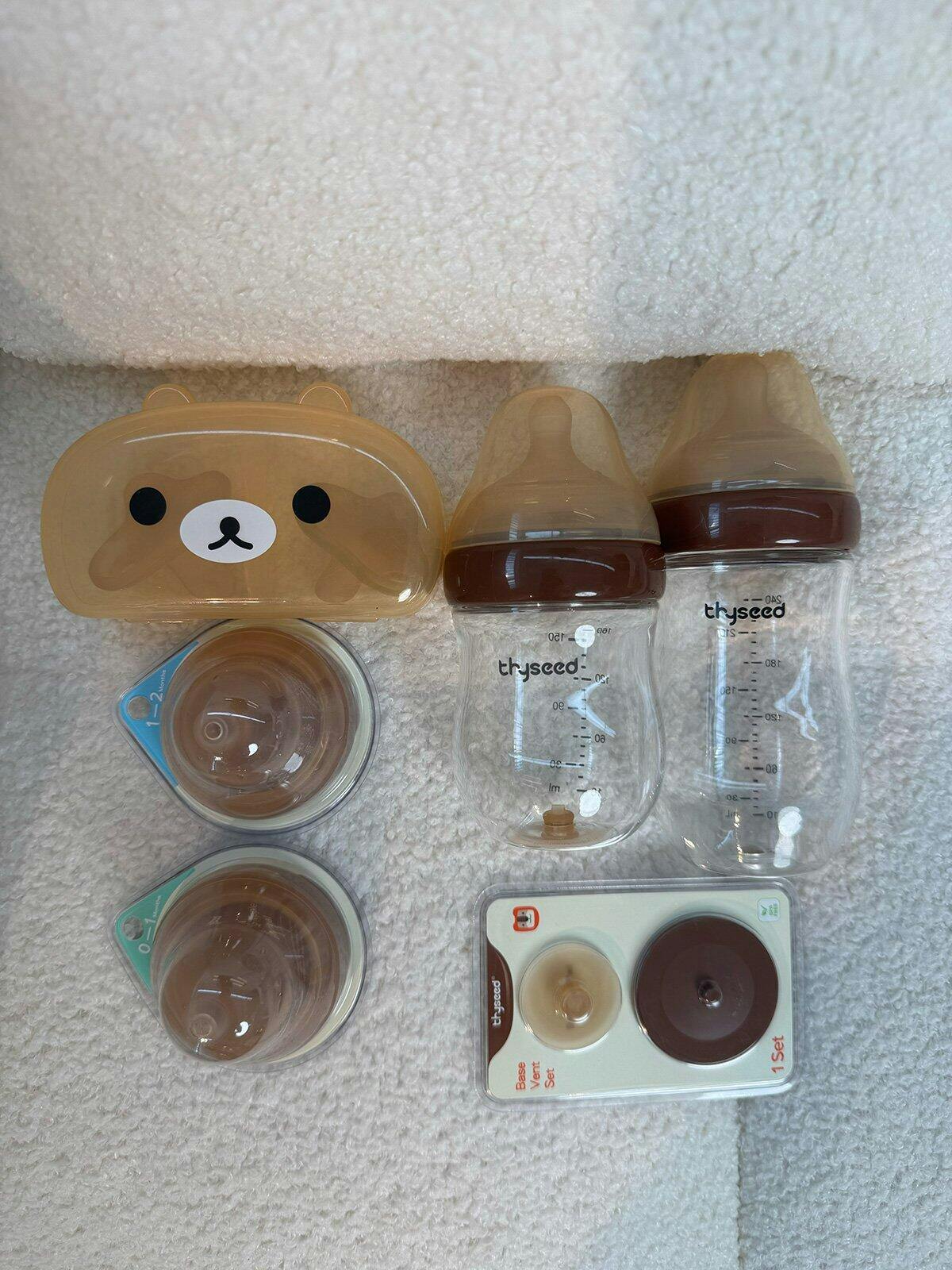
To enhance the bottle-feeding experience, several practical tips can be beneficial. First, choose the right bottle and nipple that suits your newborn’s age and feeding style. Establishing a feeding routine can also help your baby feel more secure. Create a comfortable feeding environment—dim lighting, a calm atmosphere, and a cozy position can make all the difference. Additionally, maintaining hygiene is vital. Always ensure bottles are thoroughly cleaned and sterilized, and prepare formula according to guidelines. By taking these steps, parents can foster a positive bottle-feeding experience and contribute to their newborn’s well-being.
Key Takeaways for New Parents
In summary, understanding how much to bottle feed a newborn is crucial for ensuring their health and happiness. The key points outlined in this article emphasize the importance of recognizing individual feeding needs, adjusting amounts as babies grow, and being aware of signs of overfeeding and underfeeding. Remember, every baby is unique, and it’s essential to consult healthcare professionals for personalized advice. As you embark on this feeding journey, remain observant and flexible, adapting your approach as necessary to meet your newborn's evolving needs.