

Unlock the Secrets to Perfect Bottle Feeding for Your Newborn!
Bottle feeding can be a game changer for new parents, offering flexibility and convenience that many seek in the early days of caring for a newborn. Whether it's to supplement breastfeeding or for exclusively bottle-fed babies, understanding the nuances of bottle feeding is essential. Many parents choose this method for a variety of reasons, including the ability for others to participate in feeding, the convenience of preparing milk ahead of time, or even for medical reasons where breastfeeding might not be an option. In this article, we aim to provide you with comprehensive guidance and practical tips for successful bottle feeding, ensuring a smooth experience for both you and your little one.
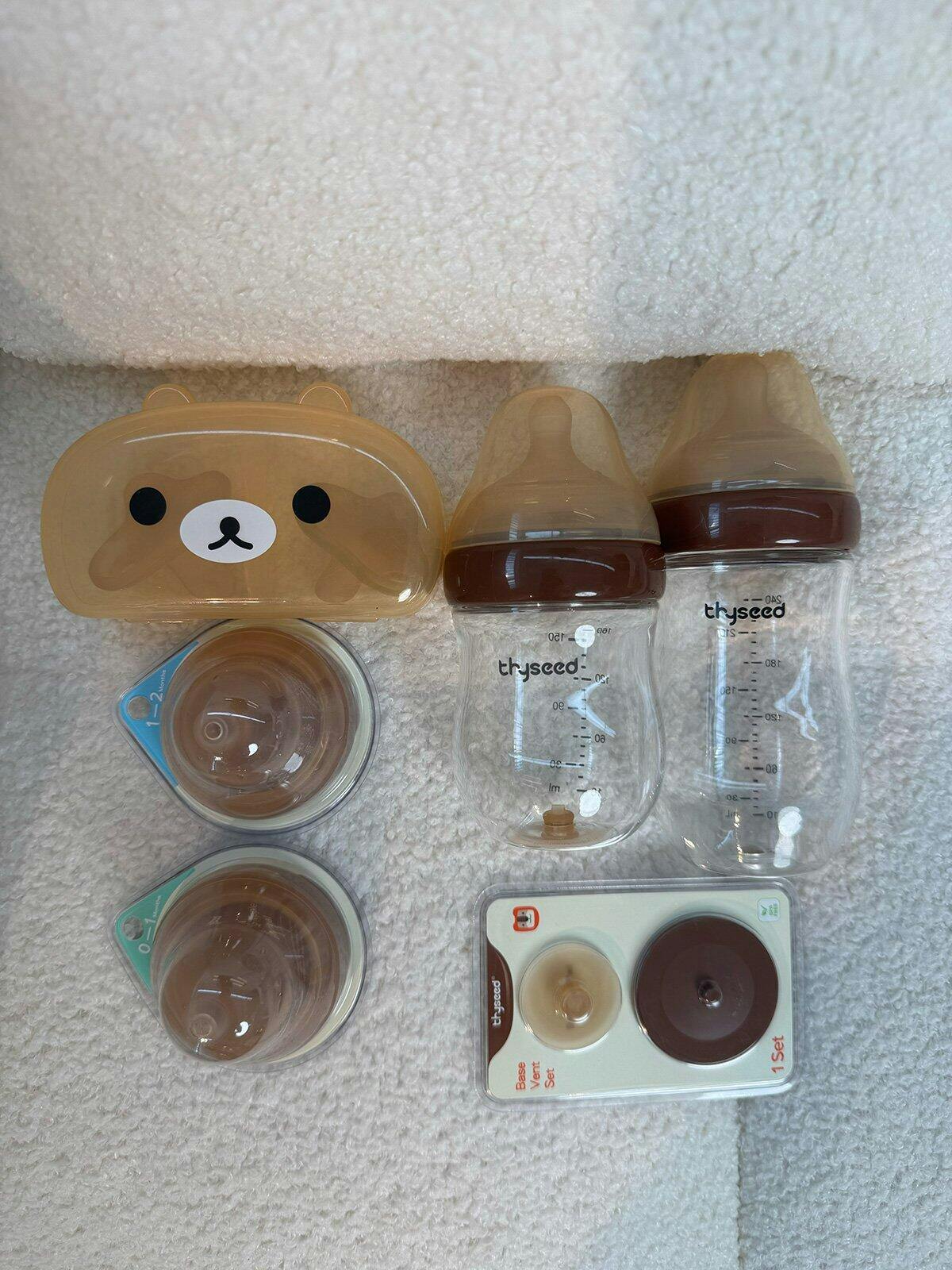
Understanding the Basics of Bottle Feeding
At its core, bottle feeding is about providing nourishment to your newborn in a way that is both effective and comfortable for them. When starting out, it's important to understand the different types of formula available. Options include cow's milk-based formulas, soy formulas, and specialized formulas for infants with allergies or sensitivities. Choosing the right formula for your baby can depend on various factors, including their specific nutritional needs and any recommendations from your pediatrician. Equally important is selecting the right bottle and nipple. There are various shapes, sizes, and flow rates to consider, ensuring a good fit for your newborn's age and feeding style. When preparing formula, always follow the instructions on the packaging carefully, ensuring the right water-to-formula ratio. When it comes to the feeding process itself, hold your baby in an upright position, support their head, and allow them to suck at their own pace. This can help mimic the natural breastfeeding experience, making it easier for them to transition between the two methods if needed.
Choosing the Right Products for Bottle Feeding
Selecting the right products is crucial to making the bottle feeding experience enjoyable for both you and your newborn. Start with bottles; consider options that are designed to reduce colic or mimic breastfeeding, as these can help make the transition smoother for your baby. Look for bottles made from safe materials that are easy to clean and sterilize. Nipples are also vital in this selection process. They come in various shapes and flow rates, so you may need to experiment to find the best match for your baby’s sucking style. It’s also wise to invest in a good sterilizer to keep your feeding accessories clean and hygienic. Alongside these, consider bottle brushes for easy cleaning and perhaps an insulated bag for on-the-go feedings. Involving friends or family who have recently navigated this journey can provide personal insights into what worked best for them, ensuring you make informed choices.
Techniques for Successful Bottle Feeding
The technique you use during bottle feeding can significantly impact your baby's experience. Start by finding a comfortable position for both you and your baby; some parents prefer holding their baby in a semi-upright position, while others opt for a cradled hold. Pay attention to your baby's hunger cues, such as rooting or sucking on their hands, and try to feed them before they become overly hungry or upset. Pacing is also important; allow your baby to suck and swallow at their own pace by tilting the bottle just enough to fill the nipple without flooding it. This mimics the natural flow of breastfeeding and helps prevent gas and overfeeding. If transitioning from breastfeeding, introduce the bottle gradually. Consider using breast milk to fill the bottle at first, as the familiar taste may make your baby more receptive. Encourage other caregivers to feed the baby with the bottle during this transition to help them adjust.
Common Challenges and Solutions
As with any parenting journey, bottle feeding can come with its own set of challenges. One common issue is bottle rejection, where a baby refuses to accept a bottle. This can often be alleviated by trying different types of nipples or bottles, or allowing another caregiver to introduce the bottle during a feeding. Gas can also be a concern; to combat this, make sure to burp your baby regularly during and after feedings. If you notice your baby becoming fussy or uncomfortable, consider adjusting the flow rate of the nipple or experimenting with different positions during feeding. It's important to remember that every baby is different, and it may take some time to find the right approach that works for your little one. Sharing experiences and solutions with fellow parents can provide comfort and additional strategies to tackle these challenges.
Embracing the Bottle Feeding Journey
In summary, bottle feeding can be a rewarding experience when approached with the right knowledge and techniques. Understanding the basics, choosing the right products, utilizing effective feeding techniques, and addressing common challenges are all crucial steps in this journey. Patience and flexibility are key; every baby is unique, and adapting your approach to fit their needs can lead to a more successful feeding experience. Remember that seeking advice and support from healthcare professionals or other parents can also be incredibly beneficial. Embrace the process, and enjoy this special time with your newborn.