

Unlocking the Secrets to Perfect Bottle Feeding for Your Newborn!
Bringing a newborn into the world is both exhilarating and daunting, especially when it comes to feeding. For many parents, the decision to bottle feed can stem from various reasons, whether it be a return to work, medical issues, or personal choice. Bottle feeding offers flexibility, allowing multiple caregivers to participate in feeding, which can be a wonderful bonding experience. However, with this choice comes the responsibility of understanding how much to feed and how often. In this article, we'll explore the essentials of bottle feeding, addressing common concerns about quantity and frequency, ensuring you feel confident in nourishing your little one.
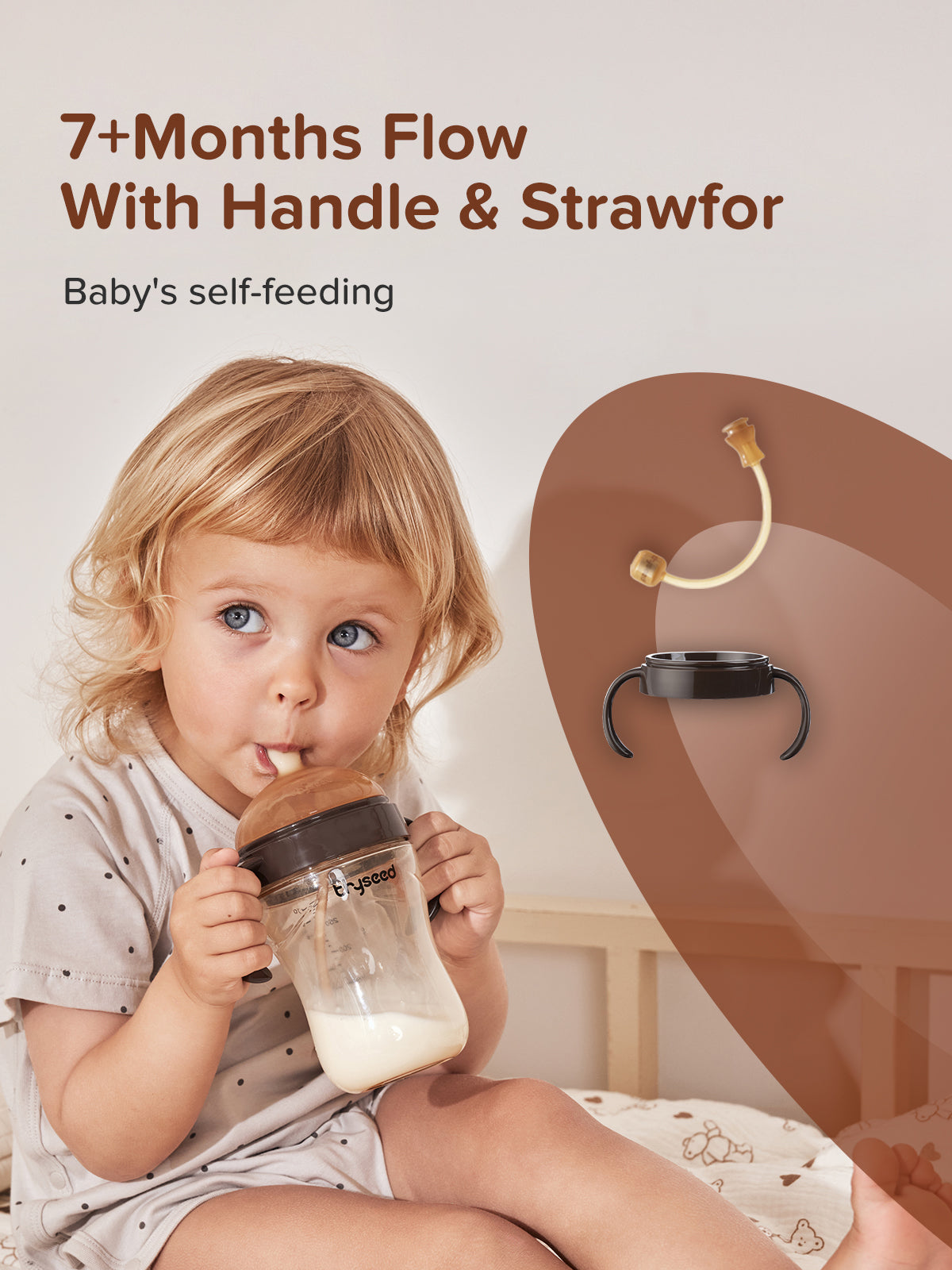
Understanding Newborn Feeding Needs
Newborns have unique nutritional requirements that are crucial for their growth and development. Typically, they consume about 2.5 ounces of formula or breastmilk per pound of body weight each day. This means that a 7-pound newborn might need around 17.5 ounces in a 24-hour period. It's important to note that these needs can vary based on several factors, including age, weight, and even growth spurts. For instance, during the first few weeks, your baby may seem to eat more frequently as they grow rapidly. It's always advised to consult with a healthcare provider to tailor feeding amounts specific to your baby's needs, as they can provide personalized recommendations based on growth patterns and health considerations.
How Much to Bottle Feed Your Newborn
When it comes to bottle feeding, the amount per feeding can depend heavily on the baby's age and weight. In general, newborns may need to be fed every 2 to 3 hours, with an initial guideline of about 1.5 to 3 ounces per feeding. As they grow, this amount will gradually increase. By the time your baby is around 1 month old, they may consume about 4 ounces per feeding. A friend of mine shared her experience, noting how her baby would sometimes finish the bottle and still cry, indicating he was still hungry. This was a sign for her to increase the amount offered at each feeding. Monitoring your baby's cues—such as rooting, sucking on their hands, or becoming fussy—will help you adjust the feeding amounts as needed.
Frequency of Bottle Feeding
The frequency of bottle feeding is another essential aspect to consider. Newborns typically feed every 2 to 3 hours, but this can vary based on their hunger cues and growth spurts. It's essential to pay attention to your baby's signals; if they're rooting around or making sucking motions, it's likely time for a feed. Conversely, if they turn their head away or fall asleep while feeding, they may be full. As a general rule, you can expect your newborn to feed about 8 to 12 times a day in the first few weeks. Adjusting your feeding schedule based on your baby's individual needs will help ensure they're getting the necessary nutrition without overfeeding.
Tips for Successful Bottle Feeding
Successful bottle feeding involves more than just the right amount of milk—it also requires technique and comfort for both you and your baby. When positioning your baby, hold them in a semi-upright position, supporting their head and neck. This not only helps prevent choking but also encourages a sense of security. Warming the bottle slightly can make the milk more palatable; however, be cautious not to overheat it. A simple wrist test can help ensure it's at a comfortable temperature. Additionally, ensuring a proper latch is crucial. The nipple should be filled with milk to prevent your baby from swallowing air, which can lead to discomfort. Remember, bottle feeding is not just about nutrition; it's also a time for bonding. Take this opportunity to engage with your baby, maintaining eye contact and talking softly.
Key Takeaways for Effective Bottle Feeding
In conclusion, understanding how much and how often to bottle feed your newborn is vital for their health and your peace of mind. By familiarizing yourself with your baby's nutritional needs and being attentive to their hunger cues, you can create a successful feeding routine. Remember to monitor their growth and development, and don’t hesitate to reach out to healthcare professionals if you have any concerns. Bottle feeding can be a rewarding experience, and with the right knowledge and approach, you can ensure that your little one is well-nourished and thriving.