

Unlock Limitless Connectivity: Discover the Magic of Multi-Port USB Hubs!
In today's technology-driven world, where our lives are intertwined with multiple devices, the need for seamless connectivity has never been more crucial. Enter the multi-port USB hub, a small yet powerful tool that can transform your workspace and enhance your tech experience. With the proliferation of smartphones, tablets, laptops, and various peripherals, having enough USB ports to connect everything can be a challenge. Multi-port USB hubs provide a simple solution, allowing users to connect several devices simultaneously while reducing clutter and enhancing productivity. In this article, we will delve into the features, specifications, and benefits of multi-port USB hubs, helping you understand why they are becoming an essential component of modern technology setups.
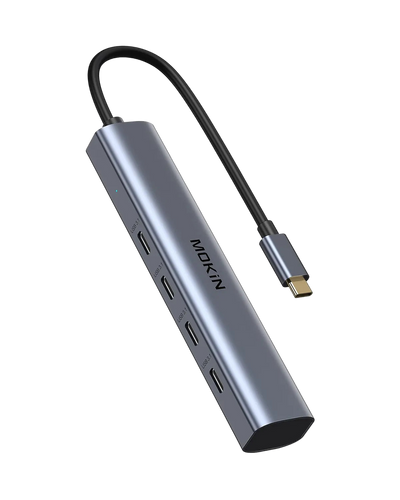
Understanding Multi-Port USB Hubs
A multi-port USB hub is essentially a device that expands a single USB port into multiple ports, enabling users to connect several USB devices to a single interface. This is especially useful for laptops and computers that often come with a limited number of ports. Multi-port USB hubs can be categorized into two main types: powered and unpowered. Powered hubs have their own power supply, allowing them to provide power to connected devices, which is essential for high-energy devices like external hard drives. Unpowered hubs, on the other hand, draw power directly from the computer, making them more portable but potentially less effective for high-drain devices. Each type has its own benefits and drawbacks, depending on usage requirements, making it crucial to choose the right one for your needs.
Features of Multi-Port USB Hubs
When selecting a multi-port USB hub, several key features come into play. The number of ports is perhaps the most obvious consideration; hubs can range from 4 to 12 ports or more, accommodating various device configurations. Data transfer speeds are another critical feature, with USB 3.0 hubs offering much faster transfer rates compared to their USB 2.0 counterparts. Compatibility is also vital; a good hub should work seamlessly with different devices, including laptops, tablets, and peripherals like mice and keyboards. Additional functionalities, such as built-in charging capabilities, can significantly enhance user experience, allowing you to charge smartphones and tablets while using other devices. These features collectively contribute to a more efficient and user-friendly setup, making multi-port USB hubs an indispensable tool in many tech environments.
Specifications to Consider
Choosing the right multi-port USB hub involves considering various specifications that can impact performance. First, the USB version is crucial; USB 3.0 hubs are preferred for their faster data transfer rates and compatibility with newer devices, while USB 2.0 may suffice for less demanding tasks. Power output is another important specification, particularly for powered hubs, as it determines how much power can be provided to connected devices. The form factor and build quality also play a role in usability and durability. A compact design is ideal for portability, while a robust build ensures longevity, especially in busy work environments. By understanding these specifications, you can make an informed decision that aligns with your performance needs and device compatibility.
Benefits of Using Multi-Port USB Hubs
Incorporating a multi-port USB hub into your tech setup offers numerous advantages. One of the most significant benefits is increased device connectivity. With a hub, you can connect multiple devices simultaneously, eliminating the hassle of constantly swapping cables. This not only reduces clutter on your desk but also streamlines your workflow, especially for professionals who rely on various peripherals like printers, external drives, and webcams. Enhanced portability is another advantage; many hubs are lightweight and compact, making them easy to carry for those on the go. Additionally, the ability to charge multiple devices at once can be a game-changer, especially for those who juggle various gadgets throughout the day. These benefits make multi-port USB hubs a valuable addition to any tech setup, whether at home or in the office.
Maximizing Connectivity with Multi-Port USB Hubs
In conclusion, multi-port USB hubs play a vital role in enhancing connectivity and convenience in our increasingly device-driven lives. By understanding their features, specifications, and benefits, users can make informed decisions that cater to their personal or professional needs. Whether you are a student, a remote worker, or simply someone who enjoys technology, a multi-port USB hub can significantly improve your experience by providing the connectivity and functionality you need. As you consider your tech setup, think about how a multi-port USB hub could simplify your life and enhance your productivity.